
How to Decorate a Living Room with Designer Touches
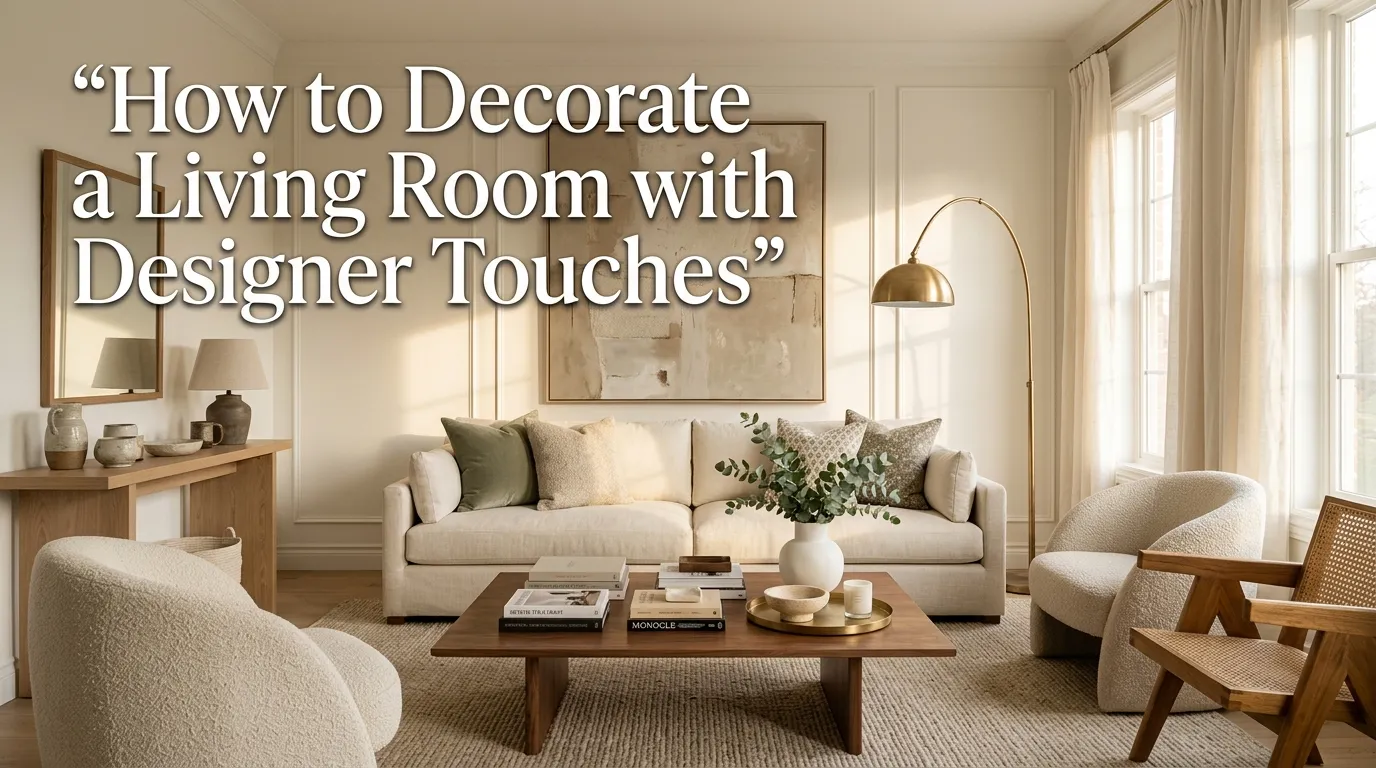
A living room can look polished and expensive without being filled with expensive furniture. Often, the difference between an ordinary room and one that feels professionally designed comes down to proportion, layering, texture, lighting, and the small details that bring everything together.
Designer-inspired rooms rarely depend on a single statement piece. Instead, they create a cohesive visual story by repeating colors, mixing materials, balancing furniture sizes, and leaving enough breathing room around important elements.
In my experience, one of the easiest ways to achieve this look is to start with a strong foundation. Choose a comfortable sofa, an appropriately sized rug, and a functional layout before adding decorative accessories.
Lighting is another major factor. A combination of overhead, task, and ambient lighting creates much more depth than relying on one ceiling fixture.
Artwork, curtains, pillows, coffee table styling, and natural materials can then add personality without making the room feel overly decorated.
The goal isn’t to copy a showroom. Your living room should still feel comfortable and personal. Designer touches work best when they improve how the room looks while supporting how you actually live in it.
These ideas will help you create a refined, welcoming living room with details that feel thoughtful rather than overly formal.
Table of Contents
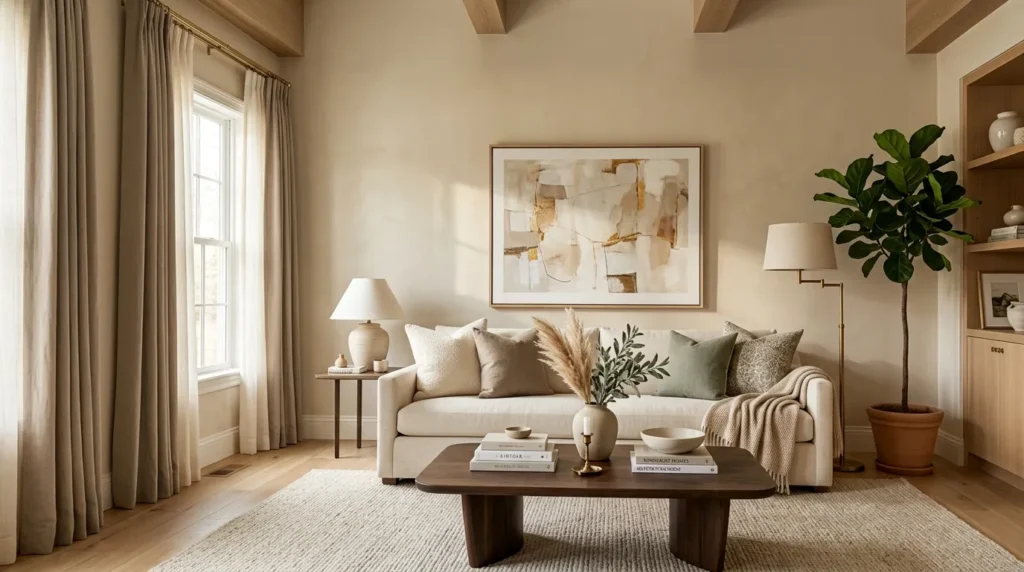
- Start With a Cohesive Palette
- Choose Properly Sized Furniture
- Layer Multiple Light Sources
- Invest in a Quality Rug
- Hang Curtains Correctly
- Add Oversized Artwork
- Mix Rich Textures
- Style the Coffee Table
- Bring in Natural Elements
- Edit the Final Details
1. Start With a Cohesive Palette
Quick Benefits
- Creates visual harmony
- Makes decorating easier
- Feels sophisticated
- Connects separate pieces
- Supports timeless styling
Why It Works
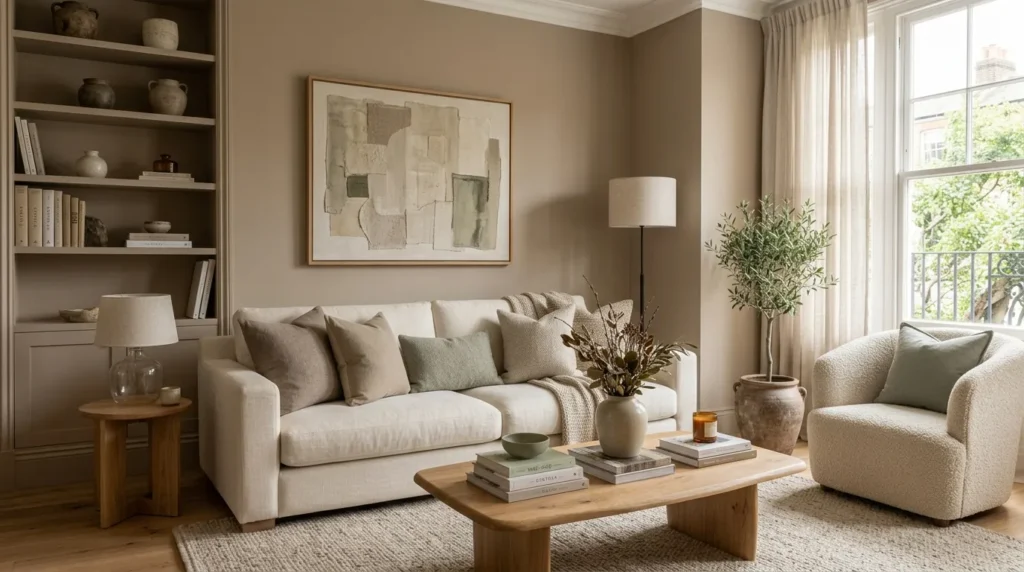
A cohesive color palette gives a living room the foundation it needs to feel professionally designed. This doesn’t mean every item needs to match. Instead, several colors should repeat naturally throughout the room.
Warm neutrals, muted greens, soft blues, earthy browns, or restrained monochromatic palettes can all create an elegant foundation.
I’ve found that repeating a color at least two or three times helps accessories feel intentional.
How To Style It
Choose a dominant color, a secondary shade, and one or two accent colors.
Repeat those colors through upholstery, artwork, pillows, rugs, curtains, and small accessories rather than concentrating one shade in a single area.
2. Choose Properly Sized Furniture
Quick Benefits
- Improves balance
- Creates better flow
- Makes rooms feel intentional
- Prevents overcrowding
- Enhances comfort
Why It Works
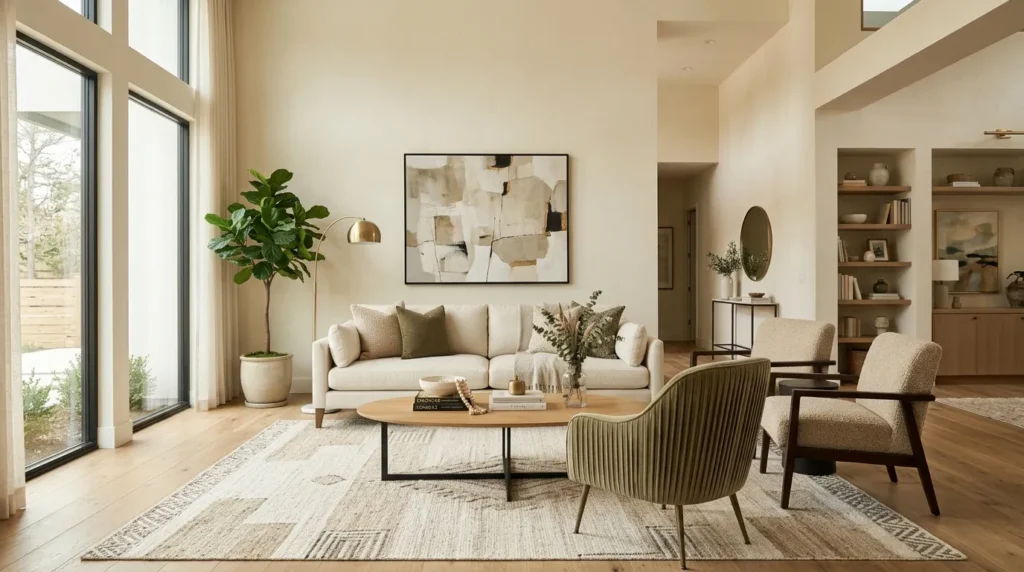
Furniture scale is one of the details that can instantly make a room feel more polished. Oversized pieces can overwhelm a small room, while furniture that’s too small can make a large room feel disconnected.
The goal is to create comfortable relationships between the sofa, chairs, coffee table, rug, and surrounding pathways.
I’ve found that measuring the room before buying furniture prevents many common decorating mistakes.
How To Style It
Create a basic floor plan before purchasing major pieces.
Leave enough room for comfortable movement and make sure seating relates naturally to the coffee table and one another.
3. Layer Multiple Light Sources
Quick Benefits
- Adds atmosphere
- Creates depth
- Improves functionality
- Highlights décor
- Feels more luxurious
Why It Works
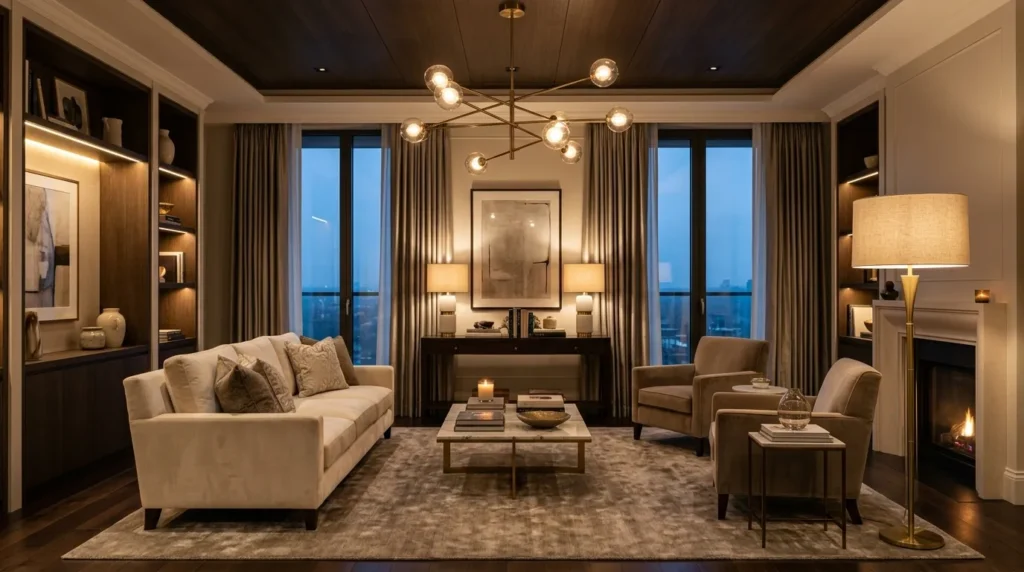
Designer living rooms rarely rely on one light source. Instead, several fixtures create layers that can be adjusted throughout the day.
Floor lamps, table lamps, sconces, pendants, and accent lighting can all contribute to the overall atmosphere.
I’ve found that warm lighting can make even simple furniture look significantly more inviting.
How To Style It
Use a combination of overhead, ambient, and task lighting.
Place lamps at different heights around the room and choose warm-toned bulbs appropriate for the fixtures.
4. Invest in a Quality Rug
Quick Benefits
- Anchors furniture
- Adds softness
- Creates cohesion
- Defines the seating area
- Adds texture
Why It Works
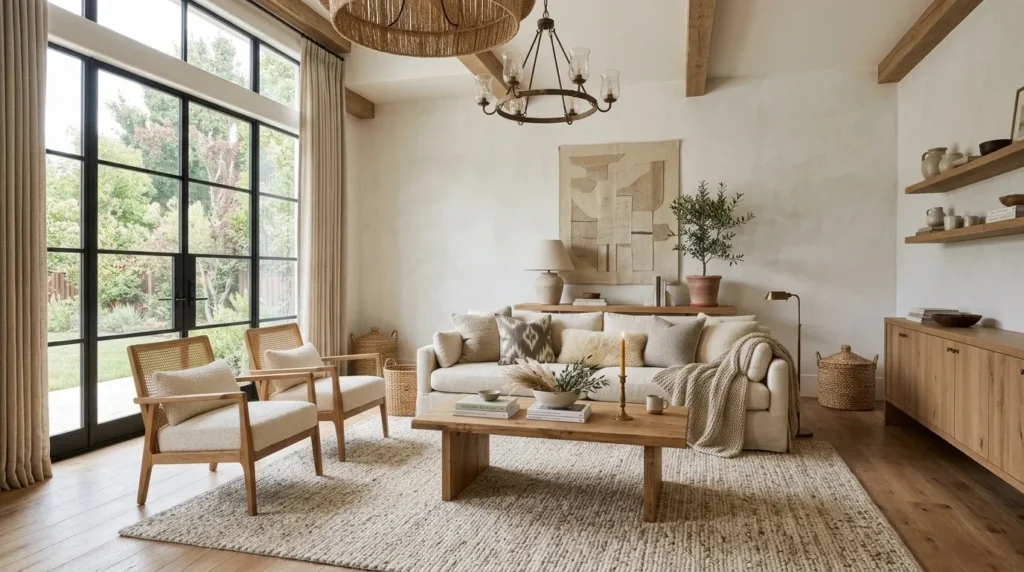
A rug can visually connect the major pieces of furniture and establish the proportions of the seating area.
One common mistake is choosing a rug that’s too small. A larger rug can make the room feel more cohesive and intentional.
I’ve found that textured or subtly patterned rugs often provide enough interest without competing with artwork and furniture.
How To Style It
Choose a rug that allows at least the front portions of major seating pieces to sit comfortably within its boundaries when practical.
Coordinate its colors with the sofa, curtains, and other textiles.
5. Hang Curtains Correctly
Quick Benefits
- Makes windows appear larger
- Adds softness
- Creates height
- Improves privacy
- Looks polished
Why It Works
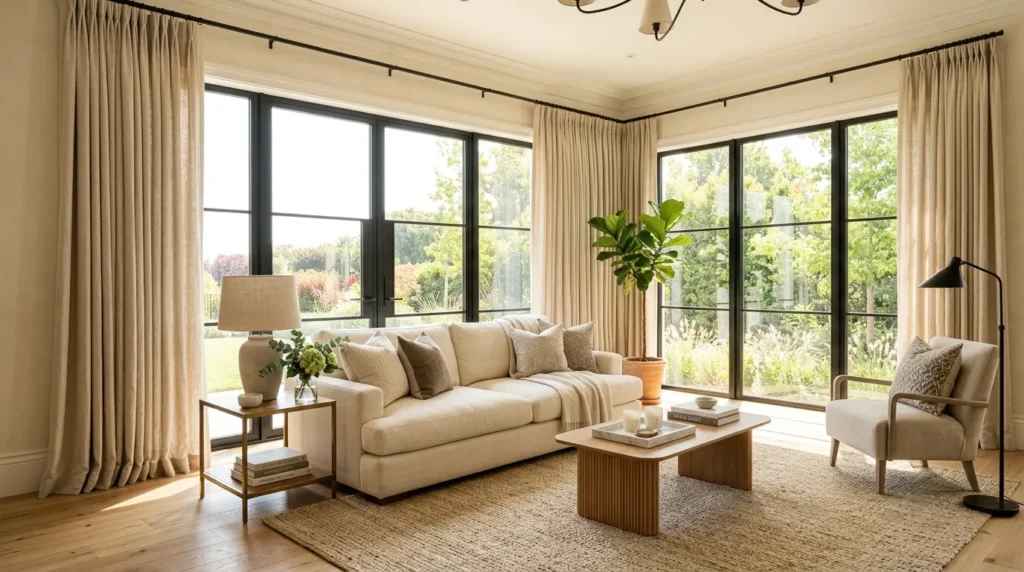
Curtains can dramatically affect the perceived proportions of a living room. Hanging them too low or using panels that are too short can make the ceiling appear lower.
Mounting the rod higher and extending it beyond the window frame can create a more spacious appearance.
I’ve found that full-length curtains generally produce a more finished look.
How To Style It
Choose curtain panels that reach the floor or create an intentionally tailored finish.
Use a rod width that allows the curtains to frame the window without blocking too much natural light.
6. Add Oversized Artwork
Quick Benefits
- Creates a strong focal point
- Makes blank walls feel finished
- Adds personality
- Elevates the room
- Can establish the color palette
Why It Works
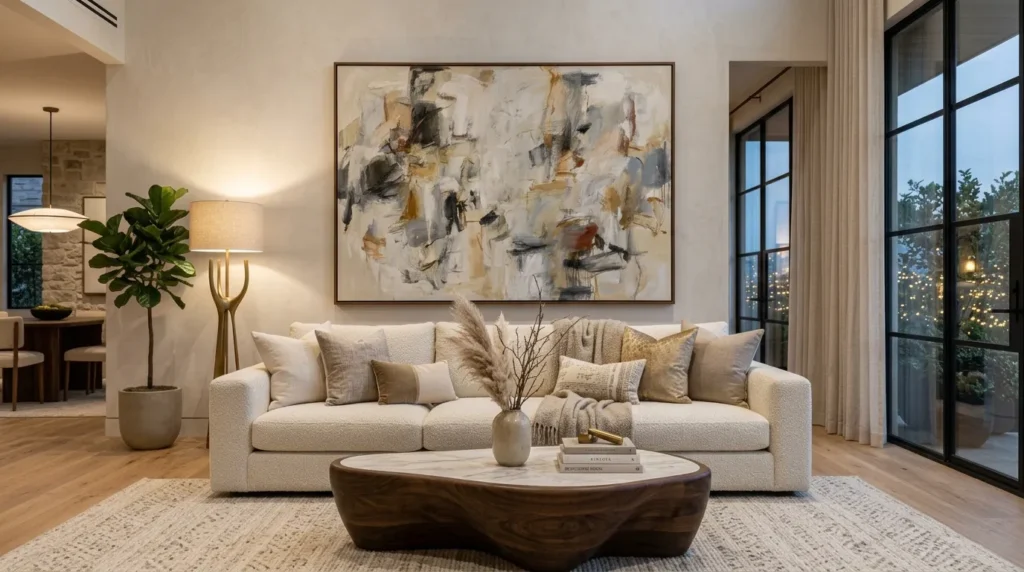
Large-scale artwork can instantly make a living room feel more sophisticated. Instead of filling a large wall with many small pieces, one substantial canvas or framed print creates a clear visual anchor.
The artwork doesn’t need to be expensive. An abstract canvas, oversized photograph, vintage-inspired print, or handmade piece can work beautifully when its proportions suit the room.
In my experience, larger artwork often looks more intentional because it gives the eye one primary point of focus.
How To Style It
Choose artwork that complements two or three colors already present in the room. Hang it at a comfortable viewing height and make sure its width relates to the furniture beneath it.
For a sofa wall, artwork should feel substantial enough to visually connect with the sofa without extending dramatically beyond its proportions.
7. Mix Rich Textures
Quick Benefits
- Adds depth
- Creates visual warmth
- Makes neutrals interesting
- Adds a luxurious feeling
- Prevents the room from looking flat
Why It Works
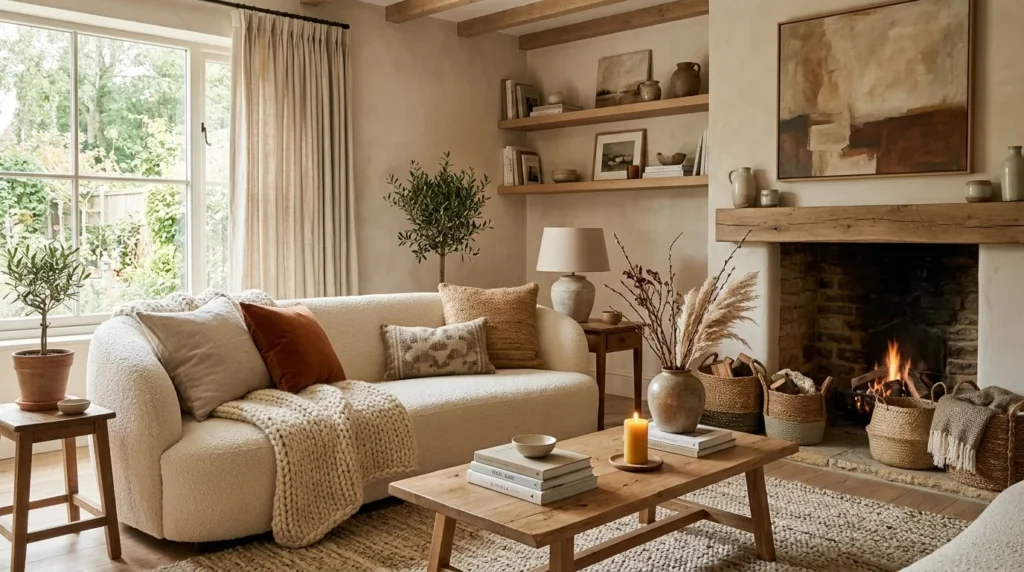
Texture is one of the easiest ways to make a living room feel elevated without adding lots of color. A room decorated primarily in beige, cream, taupe, or gray can still feel rich when different materials are layered throughout.
Think linen curtains, a wool rug, velvet cushions, woven baskets, natural wood, ceramic accessories, and soft upholstery.
I’ve found that mixing textures is especially effective in neutral living rooms because it creates interest without making the space feel busy.
How To Style It
Start with the largest textures, such as the sofa and rug, then add smaller elements through pillows, throws, baskets, and accessories.
Avoid using the same texture everywhere. Contrast smooth surfaces with woven, soft, rough, or natural materials.
8. Style the Coffee Table
Quick Benefits
- Creates a finished appearance
- Adds personality
- Provides useful organization
- Introduces height variation
- Creates a small focal point
Why It Works
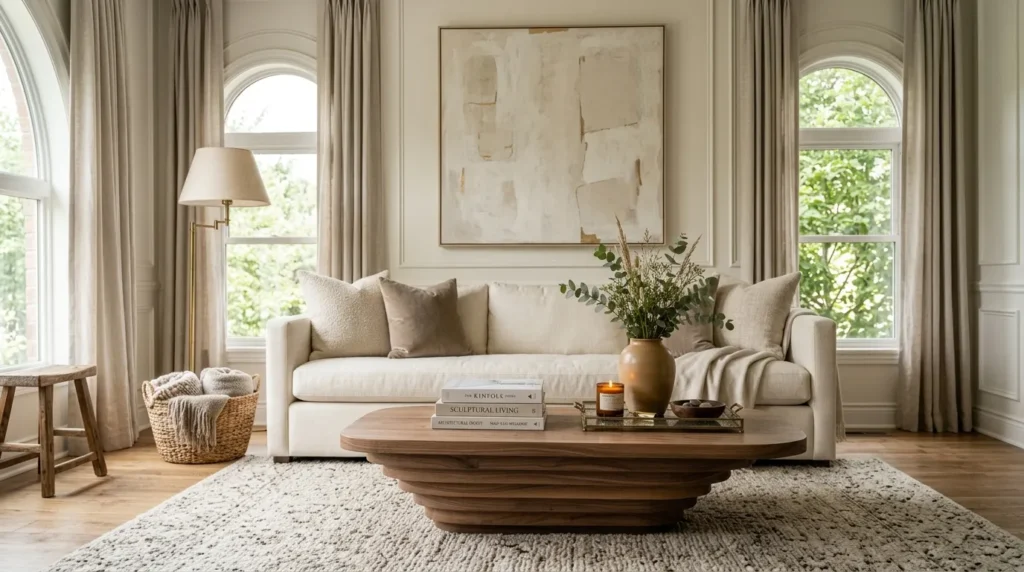
A coffee table is a relatively small surface, but thoughtful styling can make the entire living room feel more polished.
The key is creating an arrangement that looks curated without becoming impractical. Too many accessories can make the table difficult to use, while an empty table can make the room feel unfinished.
In my experience, a simple combination of books, a tray, and one organic element is often enough.
How To Style It
Start with a stack of attractive books or a decorative tray. Add a small ceramic bowl, vase, candle, or greenery.
Vary the height of your objects and leave some empty surface for drinks, snacks, and everyday use.
9. Bring in Natural Elements
Quick Benefits
- Adds warmth
- Softens modern décor
- Introduces organic texture
- Creates visual balance
- Makes the room feel welcoming
Why It Works
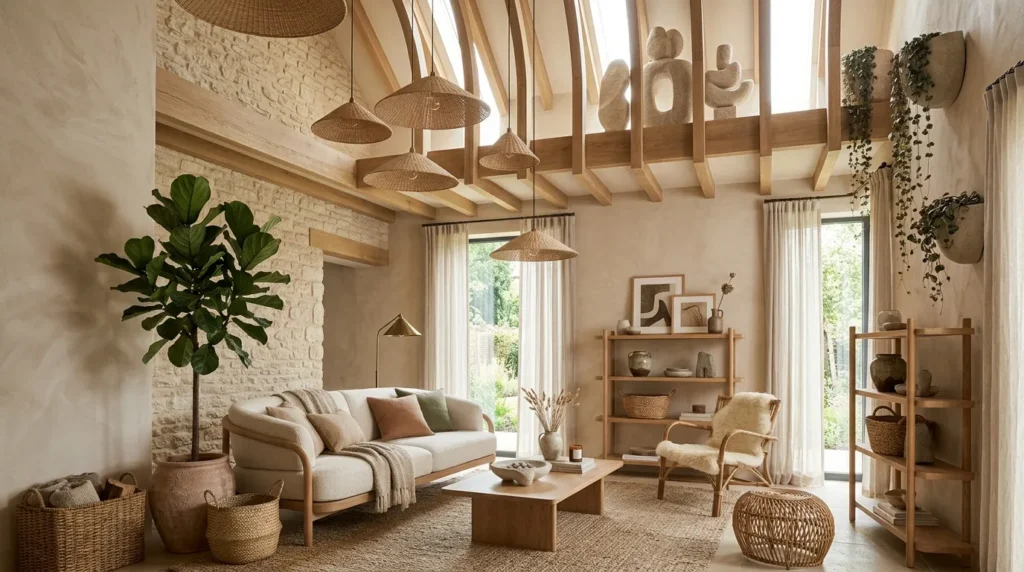
Natural materials can make a living room feel more relaxed and sophisticated at the same time. Wood, plants, stone, rattan, woven baskets, and natural ceramics introduce subtle variations that manufactured materials often lack.
Even a room with modern furniture can feel warmer when natural elements are thoughtfully incorporated.
I’ve found that greenery is particularly useful because it introduces life and color without requiring a dramatic change to the overall palette.
How To Style It
Choose one or two larger natural elements and repeat smaller versions around the room.
For example, combine a wooden coffee table with a woven basket and a leafy plant. Keep the materials coordinated but avoid making everything identical.
10. Edit the Final Details
Quick Benefits
- Reduces visual clutter
- Highlights favorite pieces
- Creates breathing room
- Improves balance
- Gives the room a polished finish
Why It Works
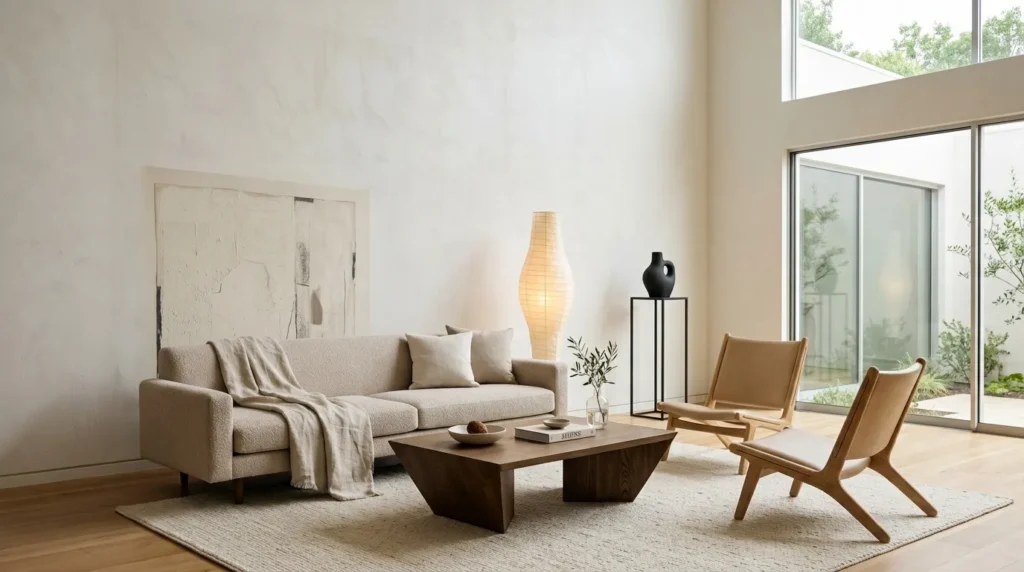
One of the most overlooked designer techniques is editing. Adding décor is easy, but knowing what to remove is often what makes a room feel sophisticated.
When every shelf, table, and corner is filled, individual pieces lose their impact. Empty space gives important furniture and accessories room to stand out.
In my experience, removing even a few unnecessary objects can make a living room look more expensive and organized.
How To Style It
Once everything is in place, walk around the room and look for items that feel repetitive, unnecessary, or out of proportion.
Keep pieces that provide function, texture, personality, or visual balance. Let some surfaces remain intentionally empty.
Frequently Asked Questions
How can I make my living room look professionally designed?
Focus on proper furniture proportions, a cohesive color palette, layered lighting, a correctly sized rug, large-scale artwork, varied textures, and carefully edited accessories.
What makes a living room look expensive?
A coordinated palette, quality-looking textiles, proper furniture scale, warm layered lighting, large artwork, natural materials, and uncluttered surfaces can all create an elevated appearance.
Does living room furniture have to match?
No. Furniture can have different designs as long as the pieces relate through color, scale, material, or overall style.
How do I choose artwork for my living room?
Start with the size of the wall and the furniture underneath it. Then choose artwork that complements colors already present in the room rather than trying to match every item exactly.
How can I make a neutral living room more interesting?
Layer different textures such as linen, wool, wood, boucle, ceramics, woven materials, and velvet. Add subtle contrast through artwork and greenery.
How should I style a coffee table?
Use a few purposeful pieces at different heights. A tray, books, ceramic object, and small plant or floral arrangement can create a balanced display while leaving useful surface space.
What type of lighting makes a living room cozy?
Warm layered lighting works best. Combine ceiling lighting with floor lamps, table lamps, sconces, and subtle accent lighting to create different levels of illumination.
Conclusion
Creating a designer-inspired living room is less about expensive purchases and more about thoughtful decisions.
Begin with a cohesive palette and properly scaled furniture. Add a quality-looking rug, full-length curtains, layered lighting, and artwork that fits the proportions of the room.
Then introduce richness through different textures and natural materials. Finish by styling smaller surfaces carefully and editing anything that creates unnecessary clutter.
The goal is a living room that feels polished without becoming formal, comfortable without looking messy, and personal without feeling visually overwhelming. When every element has a purpose and the room has enough breathing space, even simple décor can create a designer-level result.