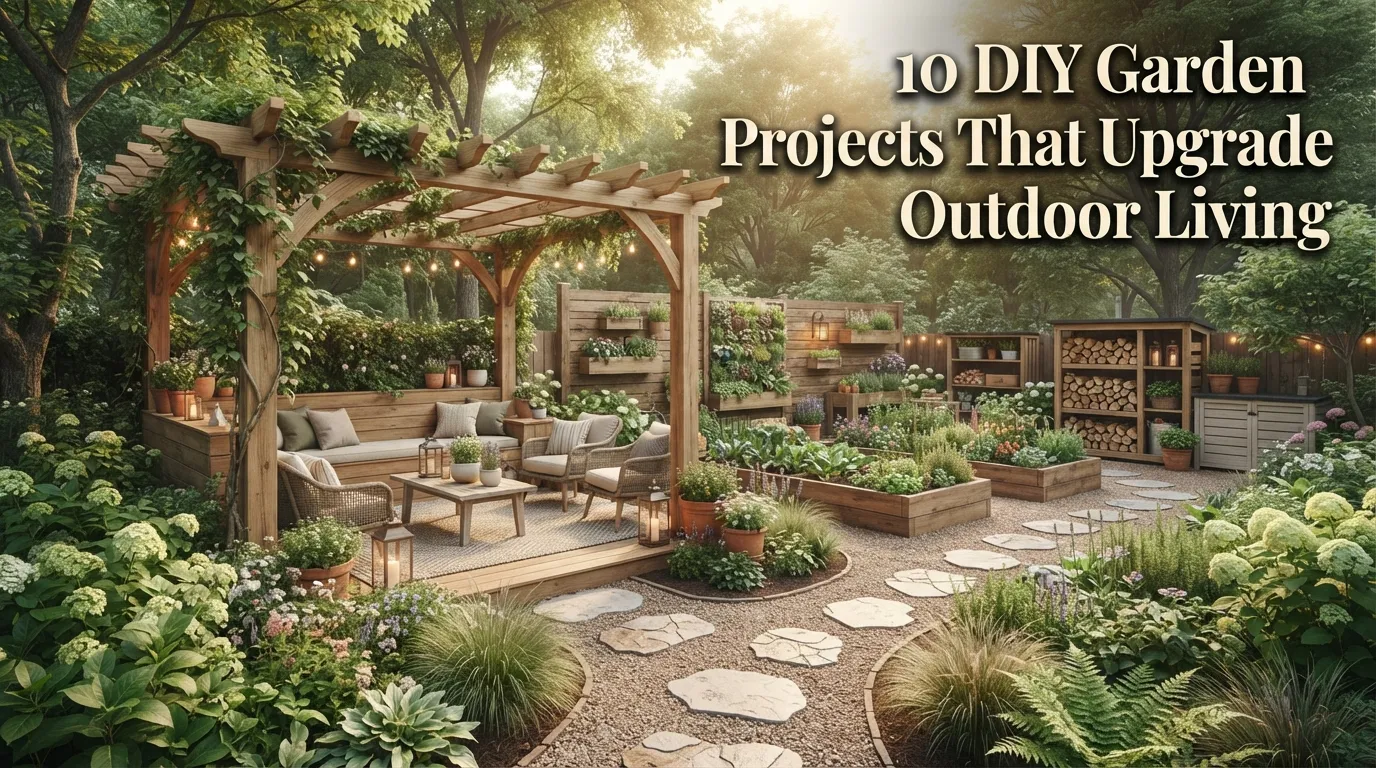
10 DIY Garden Projects That Upgrade Outdoor Living
A beautiful backyard doesn’t always require an expensive landscape renovation. Some of the most inviting outdoor spaces are created through simple DIY projects that add function, personality, and visual interest over time.
Whether you have a spacious backyard, a compact patio, or a small garden corner, thoughtful projects can make the space feel much more finished. A simple planter can define an entertaining area, while a garden path can give an ordinary yard a stronger sense of structure.
The best DIY garden projects also don’t have to be complicated. Many can be adapted to your available space, budget, tools, and skill level.
In my experience, the most successful outdoor upgrades are the ones that solve a real problem while also making the garden more enjoyable. Adding a vertical planter can provide growing space without using much ground area. A simple seating area can turn an unused corner into a place to relax. Outdoor lighting can make the garden useful long after sunset.
Natural materials such as wood, stone, gravel, terracotta, and woven textures also work beautifully outdoors because they complement greenery rather than competing with it.
If you’re ready to make your backyard feel more functional and welcoming, these DIY garden projects offer practical ideas you can personalize for your own outdoor space.
Table of Contents
- Build a Raised Garden Bed
- Create a Garden Path
- Make a Vertical Planter
- Build a Simple Potting Bench
- Add a DIY Trellis
- Create a Cozy Seating Area
- Make Garden Lanterns
- Build a Small Herb Garden
- Create a Privacy Screen
- Add a DIY Garden Border
1. Build a Raised Garden Bed
Quick Benefits
- Defines growing areas
- Improves garden organization
- Makes planting easier
- Adds structure
- Works in small yards
Why It Works
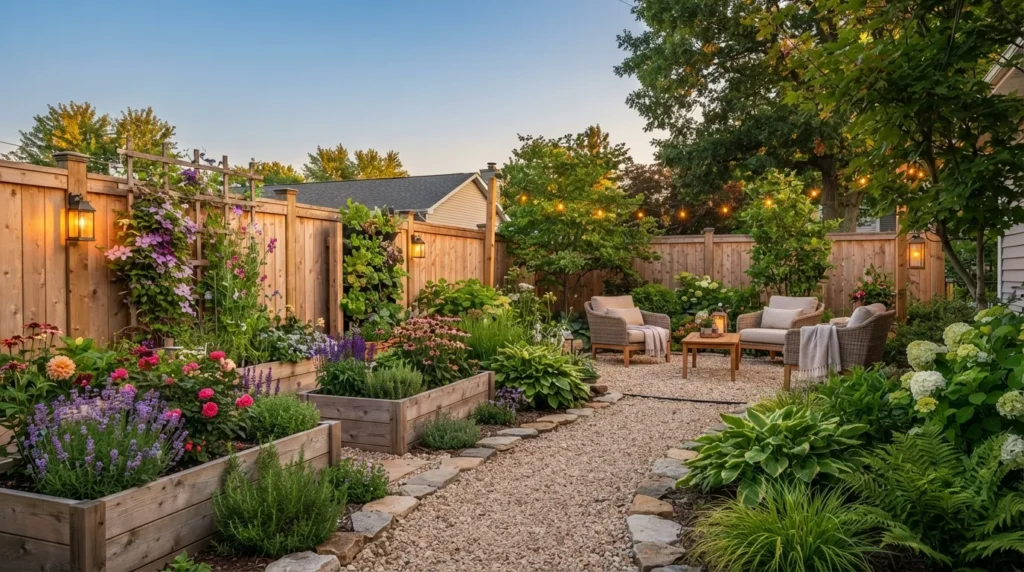
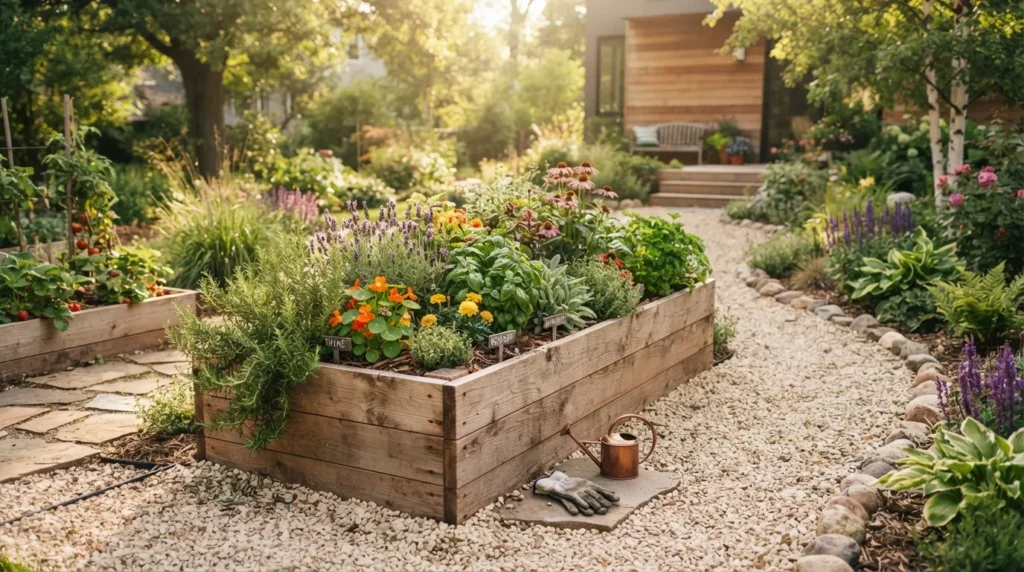
Raised garden beds are one of the most useful DIY additions for an outdoor space. They create a clear boundary around flowers, herbs, or vegetables while making the garden look more intentionally designed.
A raised bed can also be customized to fit the exact dimensions of your yard.
In my experience, simple rectangular designs are often the most versatile because they are easy to build, plant, and maintain.
How To Style It
Use natural wood or another outdoor-appropriate material and position the bed where it receives suitable sunlight.
Keep the shape simple and repeat the same material elsewhere in the garden for a cohesive appearance.
2. Create a Garden Path
Quick Benefits
- Defines movement
- Adds structure
- Protects planting areas
- Creates visual interest
- Makes the garden feel finished
Why It Works
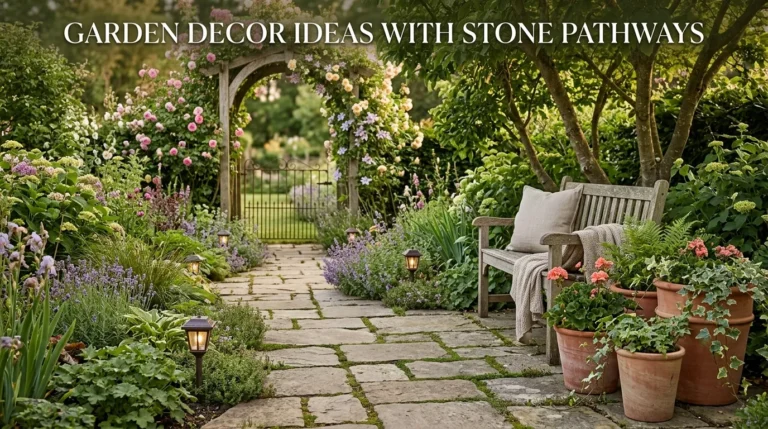
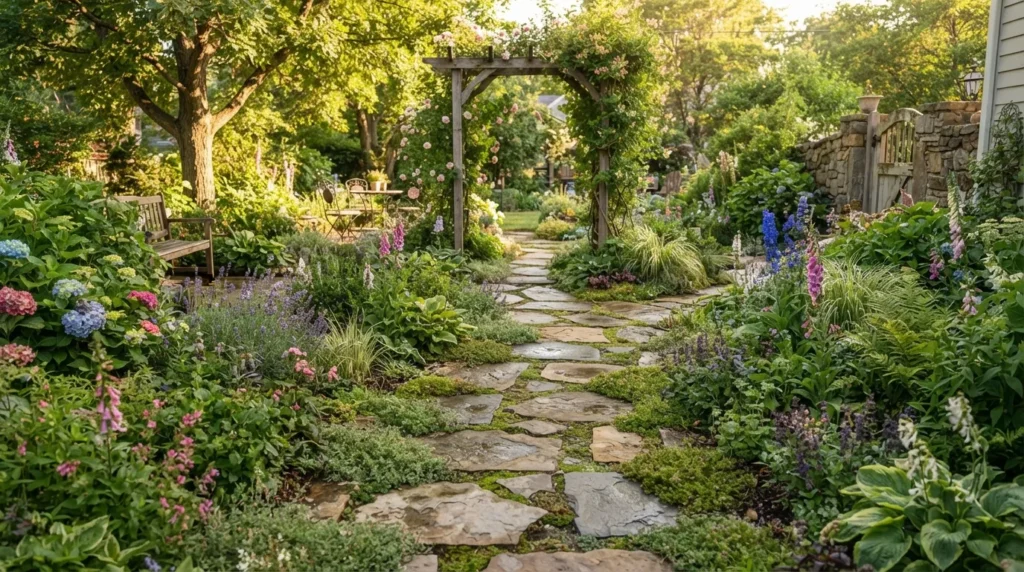
A garden path can completely change how an outdoor space feels. Instead of having plants and lawn spread across one continuous area, a path creates direction and helps guide the eye through the garden.
Gravel, stepping stones, brick, or other suitable outdoor materials can create different looks.
I’ve found that even a short path leading to a seating area or garden bed can make a small yard feel more thoughtfully designed.
How To Style It
Keep the path proportional to the available space.
Use stepping stones for a casual garden or gravel for a relaxed cottage-inspired appearance. Soften the edges with low-growing plants where appropriate.
3. Make a Vertical Planter
Quick Benefits
- Saves ground space
- Adds greenery
- Works in small gardens
- Creates a focal point
- Adds height
Why It Works
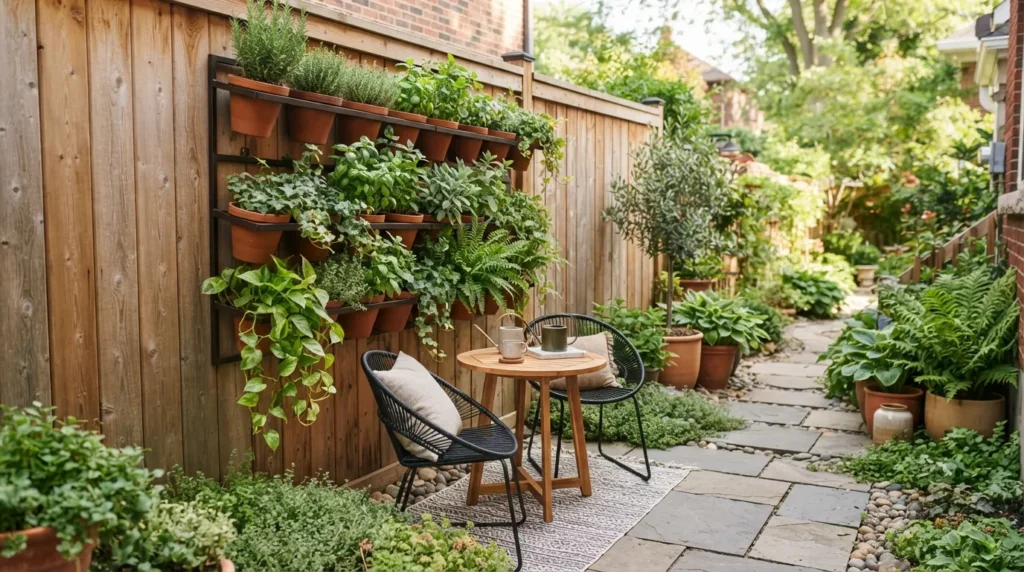
Vertical gardening is particularly useful when horizontal space is limited. A wall, fence, trellis, or freestanding structure can become an opportunity for growing herbs, flowers, or suitable trailing plants.
It also adds height, which can make an outdoor space feel more layered.
In my experience, vertical planting is one of the easiest ways to make a compact garden feel more substantial without filling the ground area.
How To Style It
Choose containers or planters that coordinate with your outdoor materials.
Mix plants with different heights and textures, while making sure each plant receives the light and growing conditions it needs.
4. Build a Simple Potting Bench
Quick Benefits
- Creates a gardening station
- Adds useful workspace
- Stores supplies
- Keeps tools organized
- Adds character
Why It Works
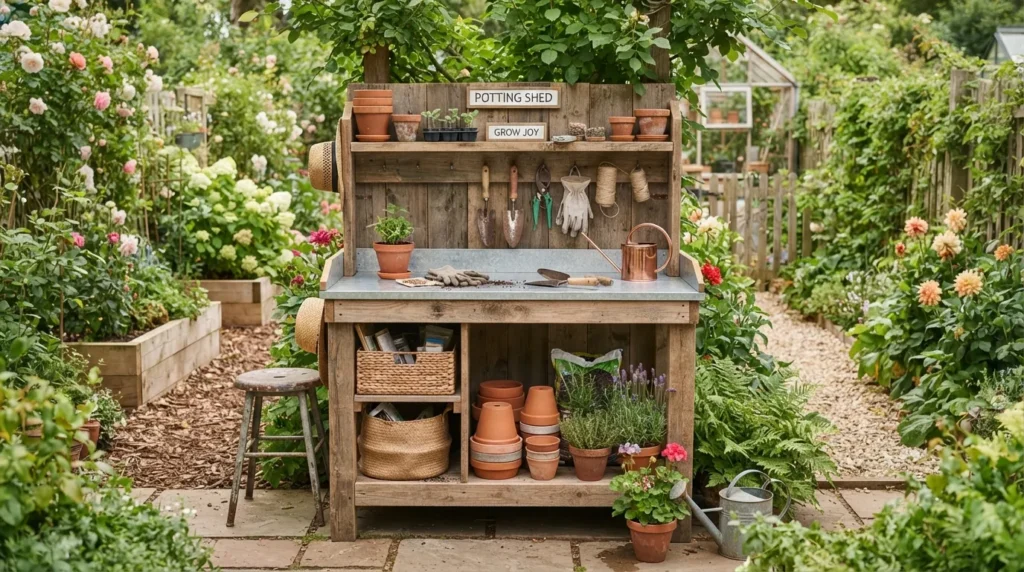
A potting bench turns gardening tasks into a more organized experience. Instead of working on the ground or carrying supplies back and forth from the house, you have a dedicated surface for planting and maintaining containers.
It can also provide storage underneath for pots, soil, gloves, and gardening tools.
How To Style It
Use weather-appropriate materials and place the bench somewhere convenient for gardening.
Add hooks for frequently used tools and use baskets or containers underneath to keep smaller supplies organized.
5. Add a DIY Trellis
Quick Benefits
- Adds vertical interest
- Supports climbing plants
- Creates garden structure
- Uses limited space
- Can improve privacy
Why It Works
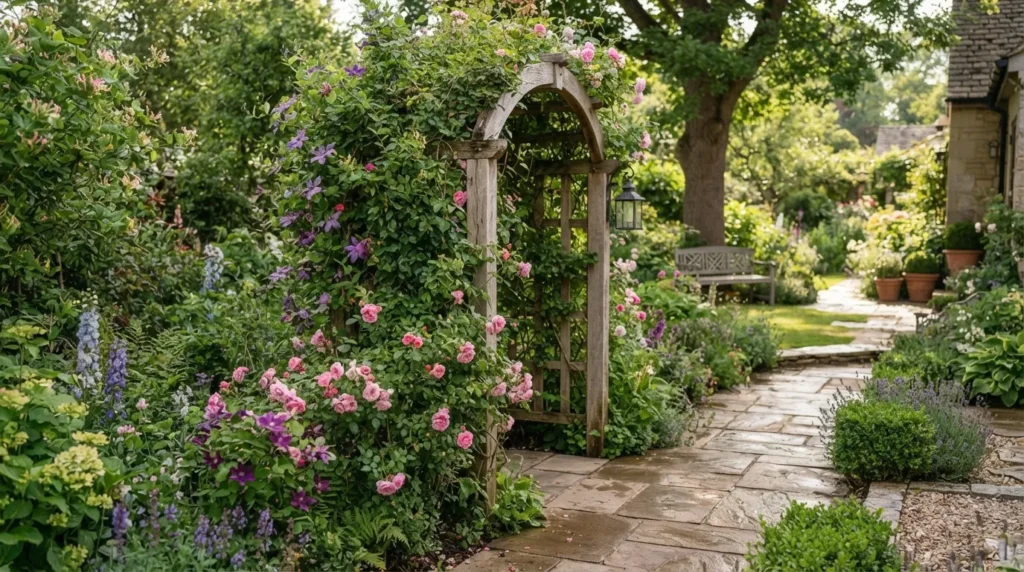
A trellis can turn an ordinary fence, wall, or garden corner into a beautiful vertical feature. It gives climbing plants something to grow on while adding height and architectural interest to the garden.
Trellises are also useful in smaller outdoor spaces because they encourage plants to grow upward rather than spreading across valuable ground area.
In my experience, a simple wood trellis often looks more natural than an overly decorative design, especially when surrounded by greenery.
How To Style It
Choose a trellis design that complements the architecture of your home and the style of your garden.
Place it where climbing plants can receive suitable light, then guide the growth naturally as the plants develop.
6. Create a Cozy Seating Area
Quick Benefits
- Adds outdoor functionality
- Creates a relaxing destination
- Makes unused corners useful
- Encourages entertaining
- Extends outdoor living
Why It Works
A garden becomes much more enjoyable when there is a comfortable place to sit and appreciate it.
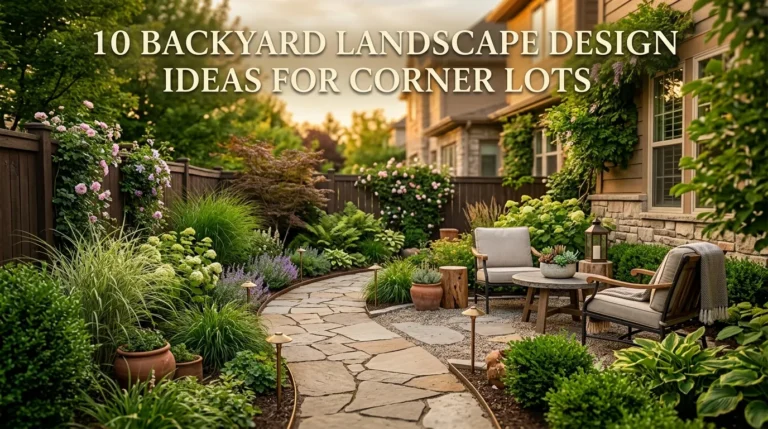
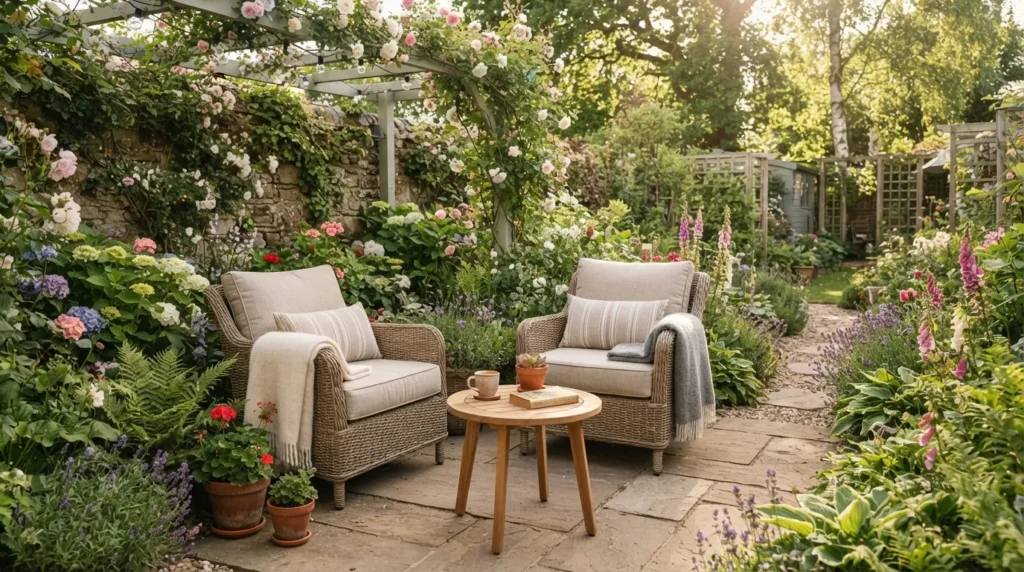
An unused corner can often become a simple retreat with a small bench, two outdoor chairs, or a compact bistro-style setup. You don’t need a large patio to create a welcoming seating area.
I’ve found that positioning seating near plants, flowers, or a garden path makes the space feel more connected to the landscape.
How To Style It
Choose weather-appropriate furniture and add cushions or outdoor textiles designed for exterior use.
Place a small side table nearby for drinks, books, or gardening moments, while leaving enough room for comfortable movement around the seating.
7. Make Garden Lanterns
Quick Benefits
- Adds evening ambiance
- Creates soft illumination
- Enhances pathways
- Adds decorative interest
- Makes the garden feel cozy
Why It Works
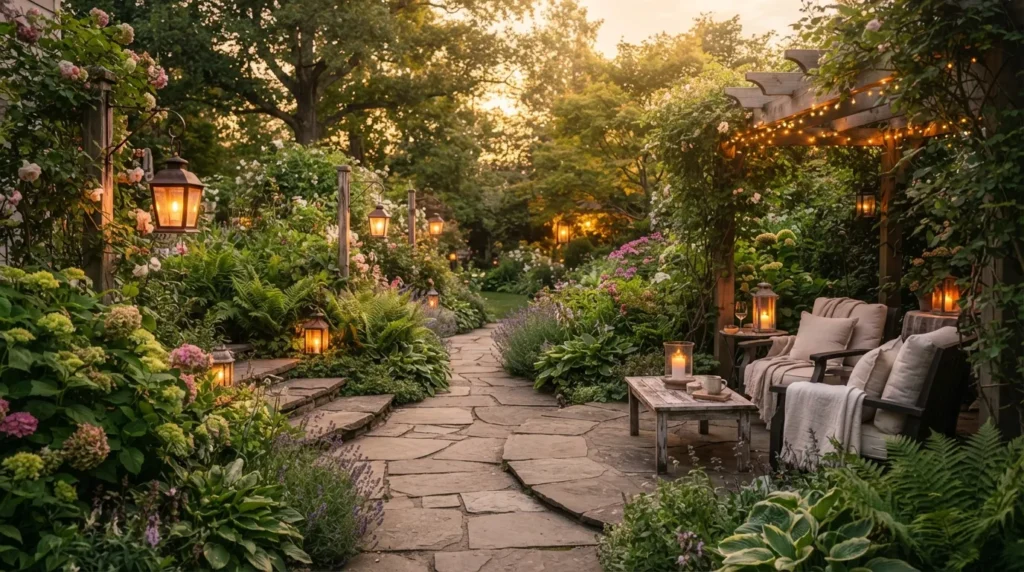
Outdoor lighting can dramatically change the atmosphere of a garden after sunset. Simple lanterns can provide gentle illumination while highlighting pathways, seating areas, planters, or architectural features.
The warm glow can also make an ordinary backyard feel more inviting for evening relaxation.
For safety, use outdoor-rated lighting products and follow the manufacturer’s instructions for placement and installation.
How To Style It
Place lanterns at different heights rather than creating a perfectly uniform arrangement.
Use them around seating areas or along paths while avoiding excessive lighting that can make the garden feel harsh.
8. Build a Small Herb Garden
Quick Benefits
- Provides fresh herbs
- Uses little space
- Adds greenery
- Easy to customize
- Makes gardening practical
Why It Works
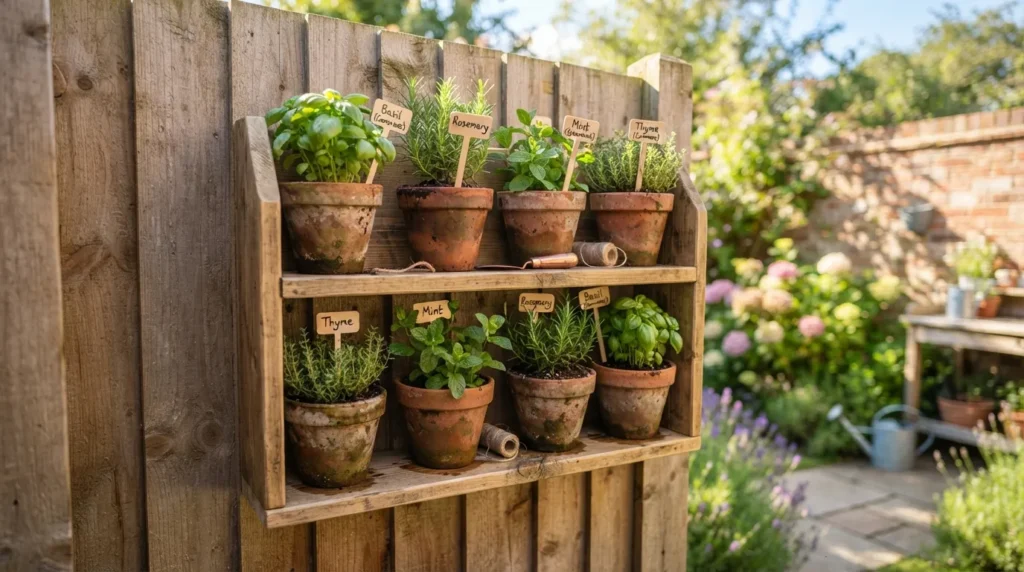
A dedicated herb garden combines beauty with usefulness. Many culinary herbs can grow successfully in containers or compact raised beds when their basic growing requirements are met.
A small herb garden can also be positioned close to the kitchen, making it convenient to harvest what you need while cooking.
How To Style It
Group herbs according to their sunlight and watering needs.
Use matching pots for a clean modern look or mix terracotta containers for a more relaxed garden aesthetic. Add small labels to make individual herbs easy to identify.
9. Create a Privacy Screen
Quick Benefits
- Creates separation
- Adds privacy
- Defines outdoor zones
- Adds vertical structure
- Makes seating areas feel intimate
Why It Works
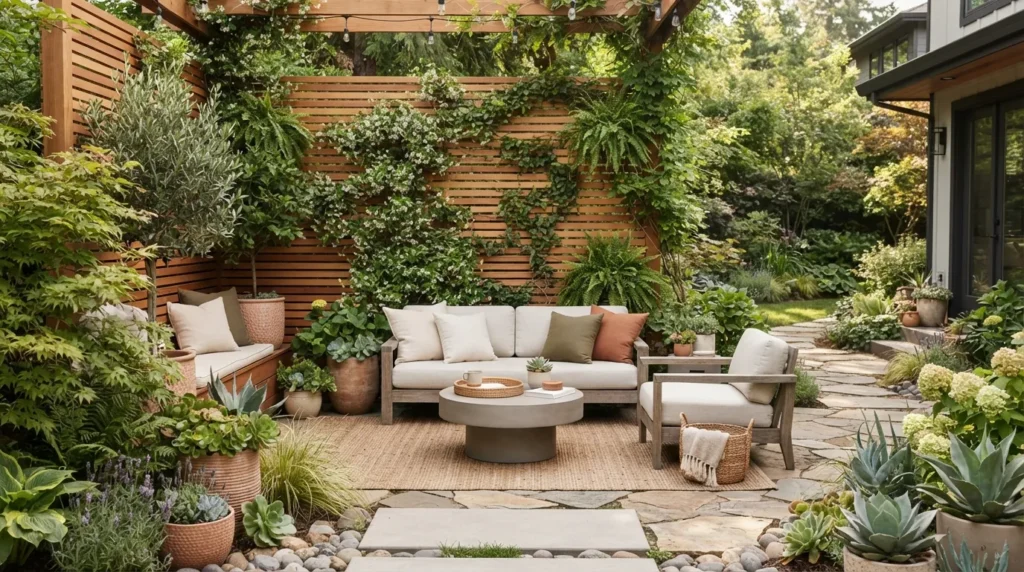
A privacy screen can make an outdoor seating area feel more secluded without requiring a major landscaping project.
Wood slats, lattice panels, outdoor screens, or suitable climbing plants can create separation while adding architectural interest.
In my experience, partially open screens often feel better than completely solid barriers because they provide privacy without making a small space feel closed in.
How To Style It
Match the screen’s material and finish with existing outdoor furniture or architectural details.
Consider combining a screen with climbing plants or planters to soften its appearance and connect it visually to the garden.
10. Add a DIY Garden Border
Quick Benefits
- Defines planting beds
- Creates a finished appearance
- Separates materials
- Makes maintenance easier
- Adds visual structure
Why It Works
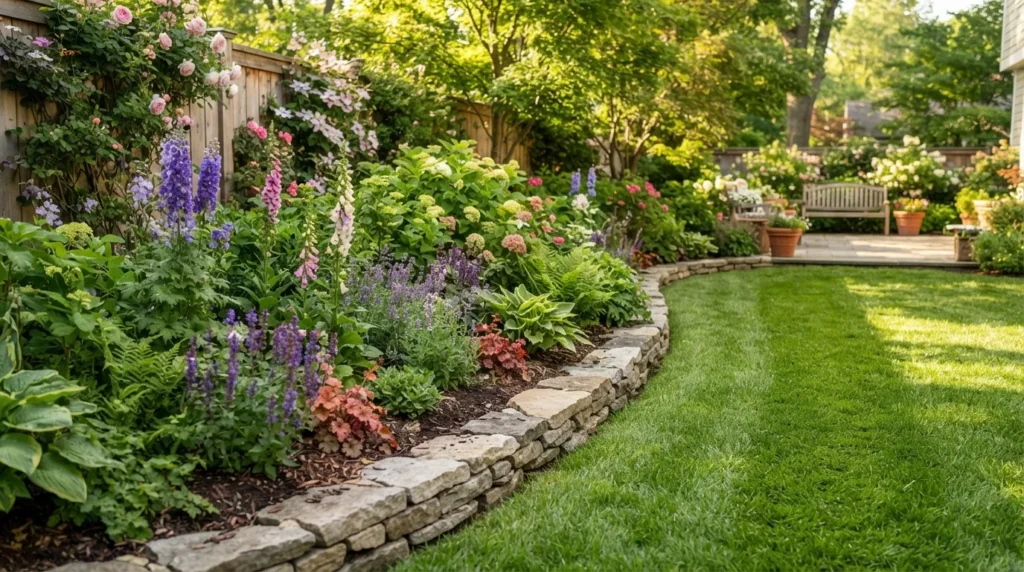
Garden borders may be simple, but they can make a noticeable difference in how polished an outdoor space looks.
A defined edge between lawn, gravel, mulch, and planting beds creates visual organization and keeps different materials from gradually blending together.
I’ve found that repeating one border material throughout the garden can make separate areas feel like part of one cohesive design.
How To Style It
Choose a durable outdoor material appropriate for your garden conditions.
Keep curves natural where possible, or use straight lines for a more contemporary appearance. Make sure the border is installed securely and won’t create a tripping hazard.
Frequently Asked Questions
What are easy DIY garden projects for beginners?
Raised garden beds, simple herb gardens, basic planters, garden borders, and straightforward trellises can be good starting points. Choose projects that match your available tools and experience.
How can I upgrade my backyard without spending a lot?
Focus on projects that add structure or function, such as a garden path, seating area, planter, trellis, or simple lighting. Reusing suitable materials can also reduce costs.
What DIY garden project adds the most function?
A raised garden bed or dedicated herb garden can provide both visual appeal and practical growing space. A potting bench can also be useful for gardeners who regularly work with containers.
How can I make a small garden feel bigger?
Use vertical planting, defined pathways, appropriately scaled furniture, and layered planting heights. Keeping the center of the space relatively open can also improve the sense of room.
What materials work well for DIY garden projects?
Outdoor-appropriate wood, stone, gravel, brick, metal, and weather-resistant materials can all work depending on the project. Choose materials suited to your local climate and intended use.
How can I make my garden cozy at night?
Add outdoor-rated lighting around seating areas, paths, and garden features. Warm, low-level illumination generally creates a more relaxed atmosphere than overly bright lighting.
Conclusion
DIY garden projects can transform an ordinary outdoor area without requiring a complete landscape renovation.
Start with projects that solve practical problems, such as raised beds for growing, paths for movement, or vertical planters for limited spaces. Then add elements that make the garden more enjoyable, including seating, lighting, trellises, and privacy features.
The best projects are those that fit your space and lifestyle. You don’t need to complete all ten at once. Even one well-designed addition can make a backyard feel more useful and intentional.
With natural materials, thoughtful placement, and a little creativity, your garden can become an outdoor extension of your home that you actually want to spend time in.