How to Anchor a Heavy 50-Pound Solid Wood Beam Mantel into Brick Mortar
Successfully anchoring a Heavy 50-Pound Solid Wood Beam Mantel into Brick Mortar requires a combination of high-quality hardware and precise masonry techniques. Because a solid wood beam carries significant weight, you cannot rely on simple adhesive or light-duty fasteners. This project demands a secure connection to the brickwork to ensure the shelf remains level and safe for years to come.
By choosing the right masonry anchors and following a structured installation process, you can transform your fireplace into a stunning focal point. This guide covers the essential steps, tools, and safety considerations needed for anchoring a Heavy 50-Pound Solid Wood Beam Mantel into Brick Mortar properly and securely.
The Direct Answer: How to Mount Your Mantel
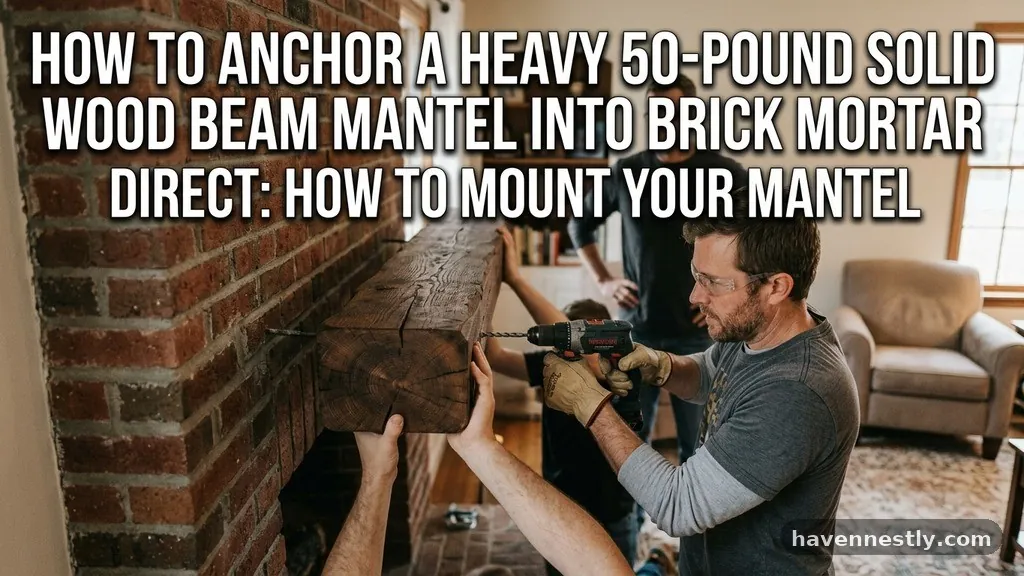
To anchor a 50-pound beam, you should use a heavy-duty steel floating mantel bracket system. Do not attach the beam directly to the mortar joints, as mortar is significantly weaker than the brick itself. Instead, you must drill into the centers of the bricks to secure your bolts or threaded rods.
You will need a hammer drill with a masonry bit to penetrate the hard surface without cracking the surrounding material. Once the holes are drilled, insert high-quality masonry expansion anchors or chemical epoxy anchors to hold the steel mounting rods. This creates a rock-solid foundation that can easily support the weight of your solid wood beam.
Gathering the Right Tools and Materials
Proper preparation is the most important phase of this installation. You need specific tools designed for masonry work to avoid damaging your fireplace facade. Using standard wood-boring bits will ruin your equipment and likely result in uneven, jagged holes.
Your essential toolkit should include:
Always check the manufacturer’s specifications on your brackets before buying hardware. Some kits provide the necessary lag shields, while others require you to purchase chemical anchors separately. Having everything staged before you begin prevents you from having to stop midway through the installation.
Understanding the Structural Integrity of Brick
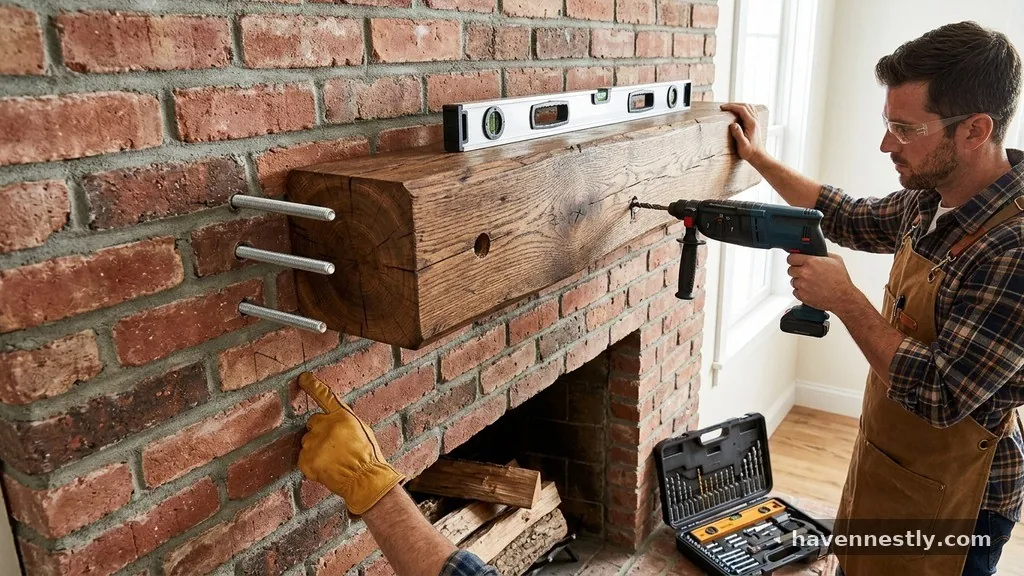
Brick fireplaces are often built with a veneer or a solid masonry core. If your fireplace is a thin brick veneer over wood framing, you must locate the studs behind the brick. Anchoring into the veneer alone will lead to failure because the brick is not designed to support 50 pounds of cantilevered weight on its own.
If your fireplace is solid brick, you have much more freedom regarding placement. However, you must avoid drilling into the mortar joints. Mortar is a mixture of lime and sand, which crumbles easily under the stress of a heavy load.
Drilling into the brick units themselves provides the structural density required for expansion bolts or epoxy-set rods. Always verify the depth of your brickwork to ensure you aren’t drilling into the firebox liner or a chimney flue.
Measuring and Marking Your Layout
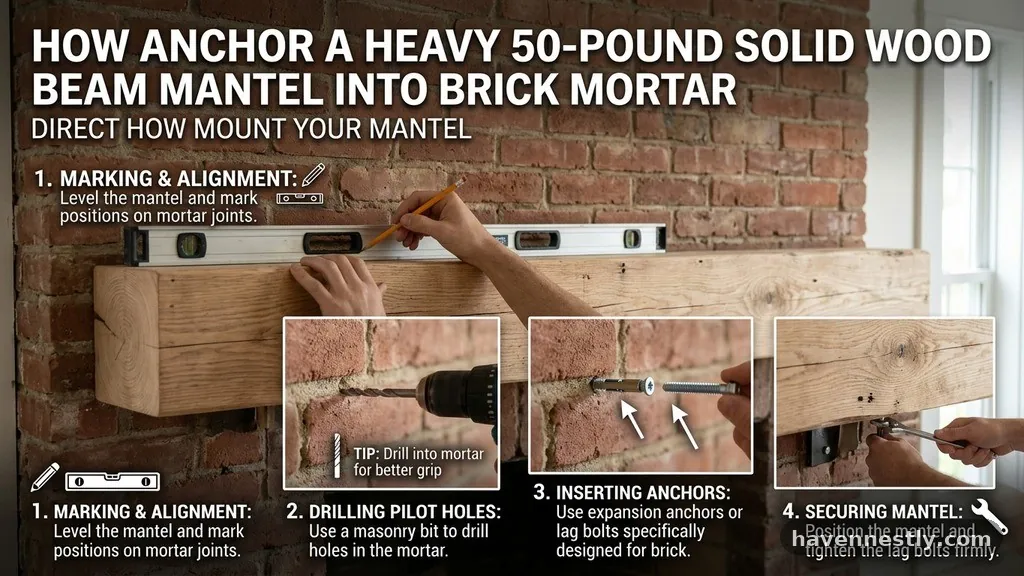
Precision at the layout stage prevents costly mistakes. Start by marking the desired height of your mantel on the face of the brick. Use a laser level or a long spirit level to draw a perfectly horizontal line across the fireplace.
Once the line is set, identify the specific bricks where the mounting rods will go. Space your mounting points evenly to distribute the weight across the width of the beam. If your beam is 60 inches long, you might place your anchors every 16 to 24 inches.
Use a pencil or a piece of masking tape to mark the center of each brick. Avoid placing marks near the edges of the brick to prevent the corners from chipping or cracking during the drilling process.
Drilling into Masonry Safely
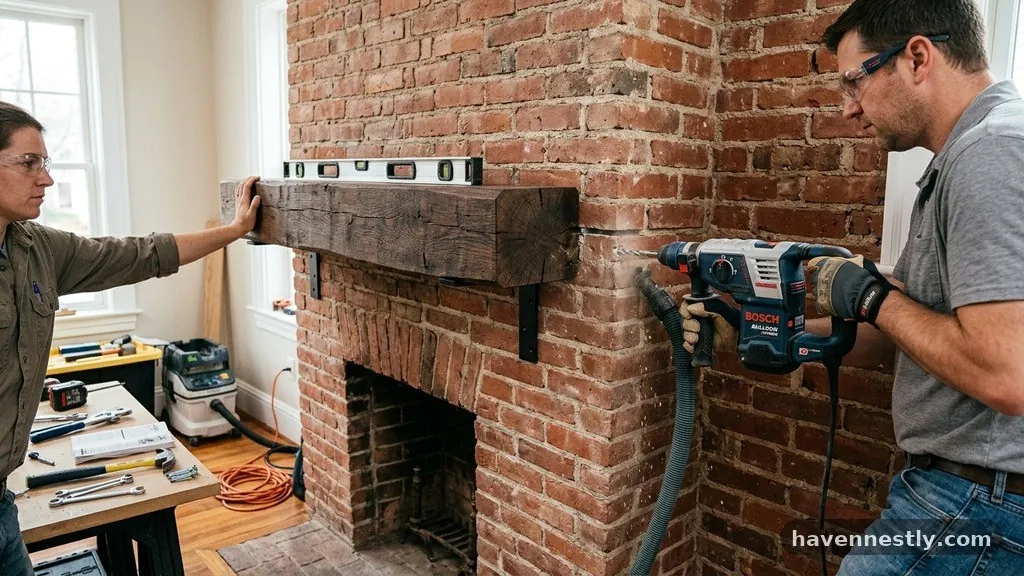
Drilling into brick requires patience and the right technique. Start with a smaller pilot hole to ensure you are perfectly on center.
Keep the hammer drill perpendicular to the wall at all times. If the drill tilts, the rod will sit at an angle, making it impossible to slide the hollowed-out mantel beam onto the bracket.
Use a piece of tape on your drill bit to mark the required depth. This prevents you from drilling too deep and accidentally puncturing a hidden void or damaging the fireplace interior.
Clear the dust from the holes frequently using a vacuum or a puff of compressed air. Dust left inside the hole prevents the epoxy or expansion anchor from gripping the masonry walls effectively.
Selecting the Best Anchoring Hardware
The hardware you choose determines the longevity of your installation. For heavy beams, threaded rods set with two-part epoxy are generally superior to mechanical expansion bolts. Epoxy fills the entire void of the hole, creating a bond that is actually stronger than the surrounding brick.
Mechanical expansion anchors work by pushing metal against the sides of the hole, which can sometimes exert too much pressure on older, brittle bricks. If you opt for mechanical anchors, choose a sleeve-style anchor rather than a wedge anchor.
The sleeve distributes pressure more evenly, reducing the risk of splitting the brick. Consult the International Association of Certified Home Inspectors for general safety standards regarding fireplace clearances and structural modifications.
Installing the Bracket System
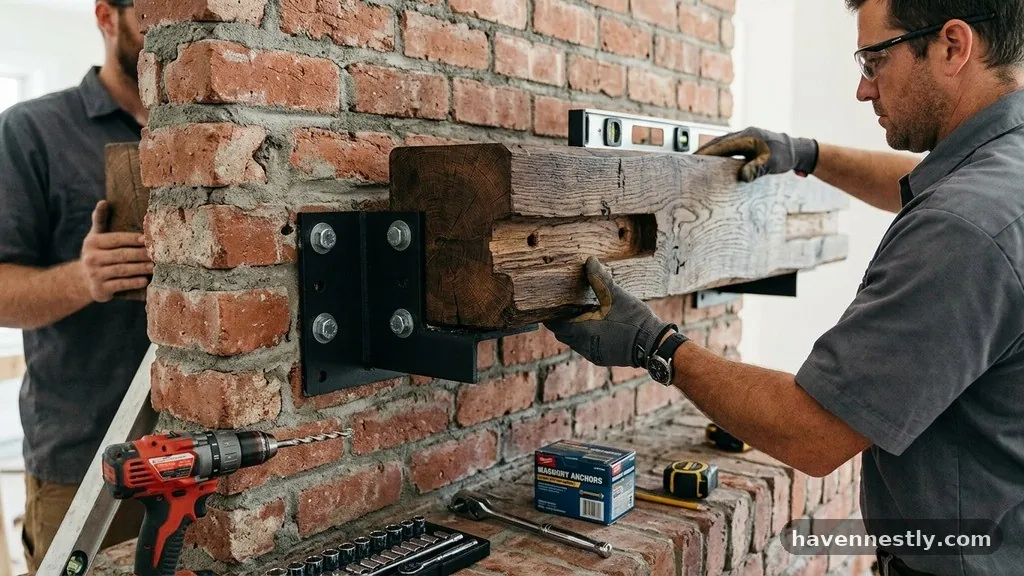
Once the holes are prepped, insert your mounting rods. If you are using chemical epoxy, inject the material into the hole until it is about two-thirds full. Push the rod into the hole with a slight twisting motion to ensure the epoxy coats the entire surface.
Let the epoxy cure according to the manufacturer’s instructions before putting any weight on the rods. If you are using expansion anchors, tighten the nuts until they are snug, but do not overtighten them.
Overtightening can crush the brick face or break the mortar bond around the brick. Verify that each rod is level and parallel to the others before proceeding.
Mounting the Solid Wood Beam
Prepare your wood beam by drilling holes in the back that match the position of your wall-mounted rods. Use a drill press if possible to ensure the holes are perfectly straight. If the holes are even slightly off-kilter, the beam will not slide onto the rods easily.
It is helpful to have a second person assist you during this phase. One person holds the beam while the other guides the rods into the pre-drilled holes.
Use a rubber mallet to tap the beam gently into place. If the beam resists, stop and check for obstructions rather than forcing it, which could damage the wall or the rod alignment.
Managing Clearance and Safety
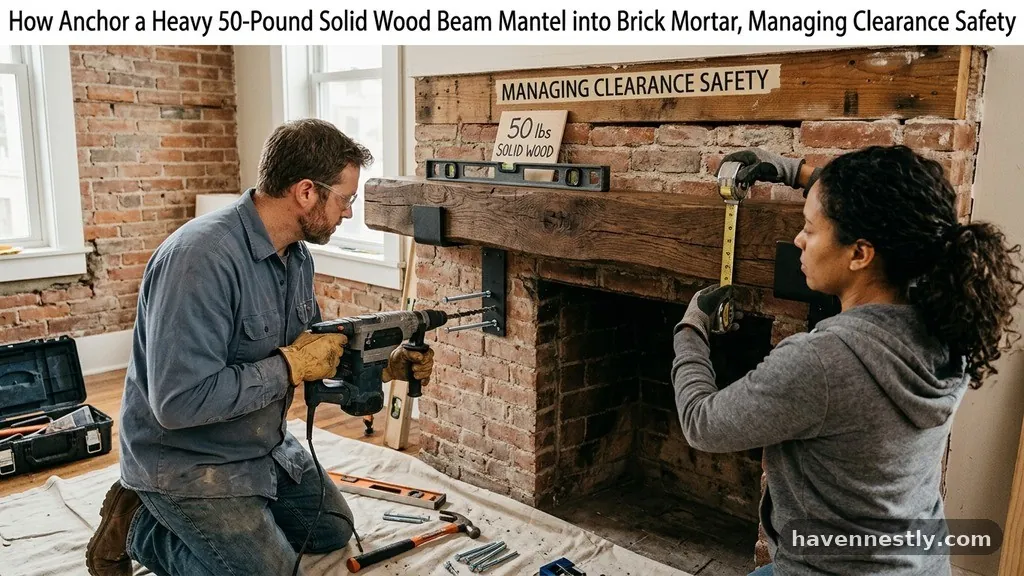
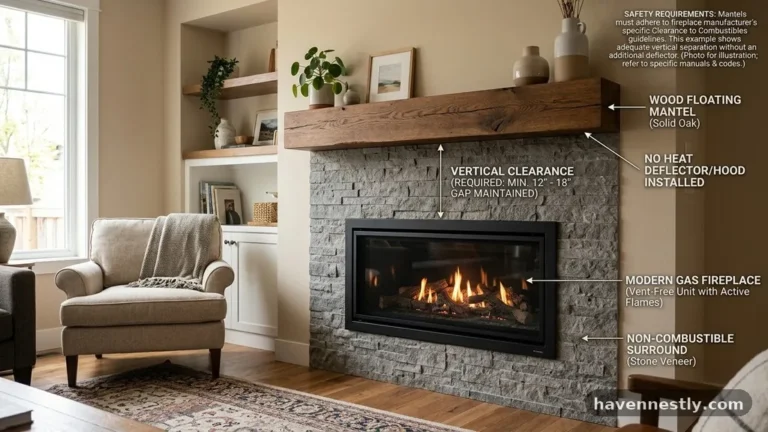
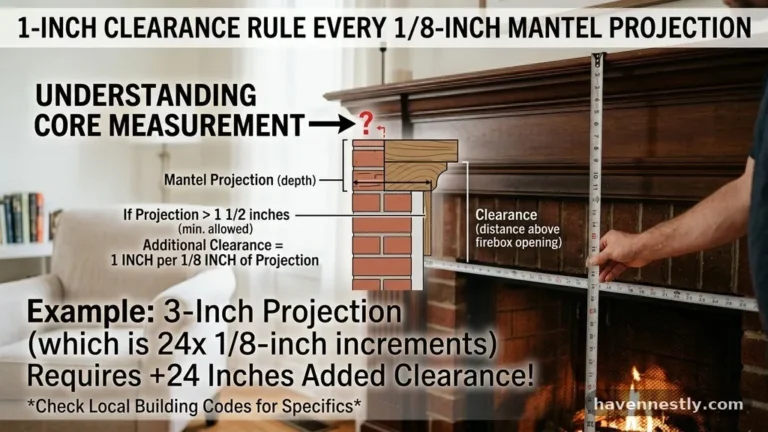
Fireplace mantels sit in a high-heat zone. Even with a modern, efficient firebox, the area above the opening can get significantly warm. Ensure your installation meets local building codes regarding the distance between the mantel and the firebox opening.
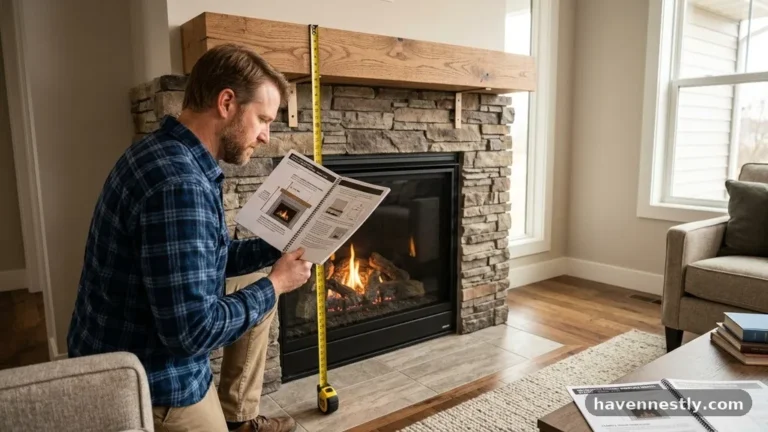
If you are using a combustible material like wood, you often need at least 6 to 12 inches of clearance. Check your fireplace manual for specific heat clearance requirements.
If you find your mantel is too close, you may need to install a heat shield or choose a non-combustible material. Safety is just as important as aesthetics when mounting a heavy beam over a heat source.
Data Comparison: Mounting Methods
When planning your project, consider the differences between the two most common mounting methods.
| Feature | Epoxy Threaded Rods | Mechanical Expansion Bolts |
|---|---|---|
| Load Capacity | Very High | Moderate |
| Ease of Removal | Difficult | Moderate |
| Pressure on Brick | Zero | High |
| Suitability for Old Brick | Excellent | Poor |
As shown in the table, epoxy systems provide a more secure hold with less risk of damaging the masonry. They are the preferred choice for heavy, solid wood beams where you cannot afford any movement or sagging over time.
Frequently Asked Questions
Can I mount a mantel to the mortar instead of the brick?
No, you should never mount a heavy mantel directly into the mortar joints. Mortar is designed for compression, not for holding tension or shear loads. It will likely crumble under the weight of a 50-pound beam, causing the mantel to pull away from the wall.
How do I know if my brick is strong enough to hold the weight?
Most standard house bricks are capable of supporting a 50-pound load when the weight is distributed across multiple anchor points. If the brick is crumbling, flaking, or shows large cracks, you should not attempt to mount the mantel there until the masonry has been repaired.
What if my beam is not perfectly level after installation?
If the beam is only slightly off, you can often adjust the rods by gently bending them or using shims behind the bracket. If the discrepancy is significant, you must remove the rods and redrill the holes to ensure a proper, level fit.
Is it necessary to use a professional for this installation?
If you are comfortable using a hammer drill and working with structural anchors, you can likely handle this project yourself. However, if you are unsure about the condition of your brick or the structural layout of your fireplace, hiring a professional mason or contractor is a wise choice.
How far into the brick should the rods go?
For a secure hold, your anchors should penetrate at least 3 to 4 inches into the solid brick. This depth ensures the anchor is set behind the decorative face and into the core of the masonry unit.
Conclusion
Anchoring a Heavy 50-Pound Solid Wood Beam Mantel into Brick Mortar requires careful attention to detail and the right selection of hardware. By avoiding the mortar joints and securing your brackets deep within the brick, you create a stable, long-lasting installation that can safely support the weight of your beam. Remember to prioritize safety by checking your local heat clearance codes and ensuring your chosen materials are rated for the load.
Taking the time to measure, drill, and set your anchors with precision will result in a professional finish that enhances your home. If you follow these steps, your new mantel will serve as a secure and beautiful centerpiece for your living space for many years.